The RAM Price Apocalypse: Why 16GB Might Be All You Can Afford In 2025 — GPUs Are Next.
By GPU Sniper Team | pctechsniper.com
Last Updated: December 2025 | Questions? Contact Us
Critical Alert for PC Builders
The PC building landscape has fundamentally changed. RAM prices have skyrocketed over 200% in some markets, with 32GB kits now exceeding $400. GPU prices are next, with confirmed VRAM-related increases coming in early 2026. If you've been planning a build or upgrade, the window to buy at reasonable prices is rapidly closing.
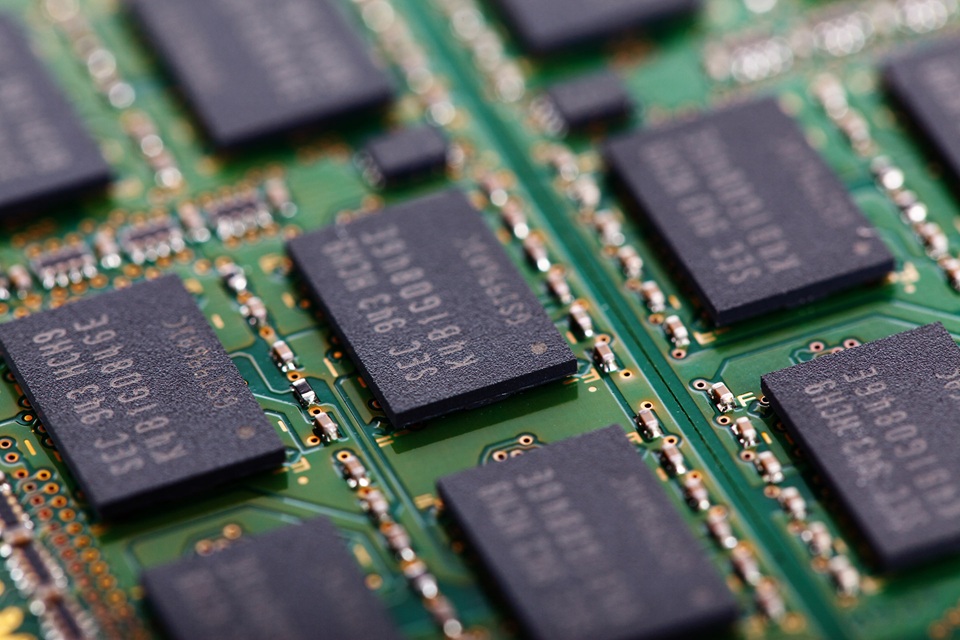
Memory chips on a computer board.
16GB Was the New 8GB... Until Now
For years, the PC building community watched as software demands evolved. Games started requiring more memory. Browsers became memory hogs. Video editing, streaming, and multitasking pushed us toward 16GB as the new baseline. We all nodded along: "16GB is the new 8GB."
But in late 2025, everything changed. Not because applications suddenly need less RAM, but because 16GB might be all most people can afford.
The average price of a 32GB RAM kit in the US has skyrocketed to over $400 USD, with some popular DDR5 kits that cost under $100 earlier in 2025 now selling for nearly $450. In certain markets, prices have surged by as much as 600%, making memory one of the fastest-appreciating "assets" you could own, if you can even find it in stock.
The Numbers Tell a Brutal Story
- 32GB DDR5 kits: From $95 in January 2025 to $442+ by November (a 365% increase)
- 64GB DDR5 kits: Now exceeding $600, more expensive than a PlayStation 5
- DRAM contract prices: Up 171% year-over-year, outpacing even gold price increases
- Global impact: Australia saw 246% increases, US markets up 163%, with no relief in sight
The culprit? AI companies are consuming memory chips at an unprecedented rate. Data centers building infrastructure for large language models, AI training, and inference workloads require massive amounts of high-bandwidth memory (HBM) and standard DRAM. Memory manufacturers like Samsung, SK Hynix, and Micron have pivoted their production lines toward these high-margin AI contracts, leaving consumer markets starving for supply.
Samsung vs. Samsung: Internal War Over Memory Allocation
In an almost surreal turn of events, Samsung is now negotiating with itself over memory supply. The company's semiconductor division (Device Solutions) has rejected a long-term DRAM supply deal from its own smartphone division (Mobile Experience).
Here's what's happening: Samsung's chip-making arm refuses to guarantee memory supply to its phone-making arm for even a full year. Instead, they're forcing quarterly renegotiations as DRAM prices continue climbing. The semiconductor division wants to maximize profits by selling to the highest bidder, which increasingly means AI companies, not internal product divisions.
The Internal Conflict's Impact
The price of 12GB LPDDR5X mobile RAM has more than doubled from approximately $33 to $70 in 2025. Samsung's mobile division sought stable pricing for at least a year, but the memory unit refused, prioritizing sales to AI data centers at premium rates.
This internal struggle within Samsung reflects broader industry tensions: memory manufacturers are prioritizing profits over long-standing customer relationships and even their own company divisions. The smartphone division now has to compete externally with rivals like Micron for memory supply from their own parent company.
SK Hynix has openly stated that all their memory chip capacity is sold out through the end of 2026. OpenAI's Stargate project alone requires approximately 900,000 wafers monthly by 2029, roughly double the current global HBM production. When AI projects of this scale are competing for chips, consumer products don't stand a chance.
VRAM Shortage: Graphics Cards Are Next
If you thought RAM prices were bad, brace yourself: graphics cards use VRAM (Video RAM), which comes from the same production facilities affected by this shortage. GDDR6 and GDDR7 memory chips are experiencing the same supply constraints and price increases as DDR4 and DDR5 system RAM.
AMD has confirmed they're implementing GPU price increases starting in early 2026, directly attributed to rising memory costs. According to leaked information from Chinese board channels, here's what to expect:
AMD's Confirmed Price Increases (Phase 1)
- 8GB VRAM cards: +$20 price increase
- 16GB VRAM cards: +$40 price increase
Projected Additional Increases (Phase 2 - Throughout 2026)
- 8GB VRAM cards: Additional $20-25 increase (total: $40-45 above current)
- 16GB VRAM cards: Additional $45 increase (total: $85 above current)
NVIDIA hasn't officially announced price increases yet, but industry insiders expect similar moves. Reports suggest NVIDIA may stop bundling VRAM with GPU dies sold to board partners, forcing manufacturers like ASUS, MSI, and Gigabyte to source memory independently at volatile spot market prices. This change would almost certainly result in higher retail prices and reduced availability.
The current GDDR memory market shows GDDR6 prices have risen 33-43% across all speeds and densities. GDDR7, which powers NVIDIA's RTX 50 series, remains in tight supply, with some reports indicating pricing pressure could double VRAM costs in worst-case scenarios.
Predicted GPU Prices: What to Expect in 2026
Based on current MSRP pricing and confirmed/projected memory cost increases, here's what graphics card prices may look like in early-to-mid 2026. Note that these are conservative estimates and actual retail prices could be higher depending on supply constraints and additional market pressures.
| GPU Model | VRAM | Current Price | Phase 1 Increase | Predicted Phase 2 |
|---|---|---|---|---|
| RTX 5090 | 32GB GDDR7 | $2,799 | $3,000+ | $3,500++ |
| RTX 5080 | 16GB GDDR7 | $1,059 | $1,200+ | $1,500+ |
| RTX 5070 Ti | 16GB GDDR7 | $749 | $849 | $1,000+ |
| RTX 5070 | 12GB GDDR7 | $499 | $549 (MSRP) | $599 |
| RTX 5060 Ti | 16GB GDDR7 | $429 | $479 | $529 |
| RTX 5060 Ti | 8GB GDDR7 | $349 | $379 | $399 |
| RTX 5060 | 8GB GDDR7 | $279 | $309 | $349 |
| RTX 5050 | 8GB GDDR7 | $209 | $249 (MSRP) | $279 |
| RX 9070 XT | 16GB GDDR6 | $599 | $639 | $684 |
| RX 9070 | 16GB GDDR6 | $549 | $589 | $634 |
| RX 9060 XT | 16GB GDDR6 | $349 | $389 | $434 |
| RX 9060 | 8GB GDDR6 | $269 | $289 | $314 |
*Prices are estimates based on industry reports and may vary by manufacturer and region. Phase 1 increases expected Q1 2026, Phase 2 throughout 2026. NVIDIA GPU price predictions are estimates backed by data from previous GPU shortages.
Important Note
These price increases represent manufacturer cost increases that will be passed to consumers. Board partner cards (ASUS, MSI, GIGABYTE, etc.) typically add 10-30% above MSRP for custom cooling and features. During periods of high demand or low supply, retail markups can push prices even higher. The "predicted Phase 2" column represents the cumulative impact of ongoing memory shortage through 2026.
The RTX 50 SUPER Dilemma
NVIDIA's rumored RTX 50 SUPER series faces a particularly challenging situation. These cards are expected to use 3GB memory chips to increase VRAM capacity cost-effectively; for example, a 24GB configuration instead of 16GB or 20GB.
However, the current memory shortage makes sourcing these higher-density chips extremely difficult and expensive. Reports suggest NVIDIA may delay or even cancel certain SUPER models due to memory availability and cost concerns. If SUPER cards do launch, expect them to carry significant price premiums over their non-SUPER counterparts.
Why 3GB Chips Cost More
Higher-density memory chips (3GB vs 2GB or 1GB per chip) require more advanced manufacturing processes and have lower yields. In a supply-constrained market, manufacturers prioritize simpler, higher-yield products. This means 3GB chips carry massive premiums, if you can source them at all.
For context: if a standard 16GB card uses eight 2GB chips, a 24GB SUPER using eight 3GB chips might face not just 50% more memory cost, but potentially 100-150% more due to scarcity and complexity. This could make SUPER cards price-prohibitive or simply unavailable for consumer markets.
Some industry analysts speculate that NVIDIA and AMD may focus production on standard configurations and delay or skip SUPER/XT refresh models entirely until memory markets stabilize, possibly not until late 2026 or 2027.
How GPU Sniper Can Help You Navigate This Crisis
In a market defined by scarcity, volatility, and rapidly changing prices, having real-time information is crucial. GPU Sniper is a dedicated GPU price tracking platform designed to help you find the best deals on graphics cards, especially important when every dollar counts.
What GPU Sniper Offers
- Real-Time Price Tracking: Monitor the cheapest GPU price for each tier across major retailers instantly
- Instant Alerts: Get notified the moment your target GPU drops to your desired price
- Stock Notifications: Know immediately when hard-to-find models come back in stock
- Deal Comparisons: Compare prices across retailers to ensure you're getting the best value
- Market Analysis: Stay informed about industry trends and upcoming price changes
With GPU prices expected to climb throughout 2026, every opportunity to save money on your build matters. GPU Sniper helps you strike when deals appear — before they vanish or prices increase further.
The Bottom Line: Act Now or Pay Later
The memory crisis of 2025-2026 represents a fundamental shift in the PC hardware market. AI's insatiable appetite for memory has created supply constraints that industry experts warn could last until 2027 or 2028. Memory manufacturers are investing in new production capacity, but new fabs take 3-4 years to build and ramp up production.
For PC builders and gamers, this means:
- Higher prices for RAM, SSDs, and GPUs throughout 2026
- Limited availability for high-capacity memory configurations
- Potential cancellations or delays of anticipated product launches
- Increased competition for available stock, leading to faster sellouts
- Reduced price/performance improvements in new generations
If you've been planning a PC build or GPU upgrade, the current market window (despite already elevated prices) may be the best opportunity you'll have for months. Prices are projected to increase 20-30% every quarter through mid-2026, with some segments seeing even steeper climbs.
Strategic Recommendations
- Buy what you need now rather than waiting for prices to drop — they won't anytime soon.
- Consider buying slightly more than your current needs to avoid upgrading during peak shortage.
- Focus on availability: in-stock at reasonable prices beats waiting for "perfect" deals.
- Use GPU Sniper to monitor multiple models. Flexibility increases your chances of finding stock!
- Watch for Black Friday/Cyber Monday type events as potential saving opportunities.
- Consider previous-generation products if significantly cheaper, as they may offer better value.
The PC building community has weathered many storms: cryptocurrency mining booms, pandemic supply chain disruptions, and tariff wars. This memory crisis may be the most prolonged challenge yet. Stay informed, track prices carefully, and be ready to act when opportunities arise.
Questions About GPU Pricing or Availability?
Our team tracks the GPU market daily and can help answer your questions about pricing trends, availability, and the best times to buy. Whether you're building your first PC or upgrading your battlestation, we're here to help you navigate this challenging market.
Join Our Community Track Prices Now